Welcome to Our Blog
A curated space exploring batik through lifestyle, culture, and modern innovation. This blog is continuously updated with insights, stories, and creative perspectives rooted in tradition and shaped for today.


What Is Batik?
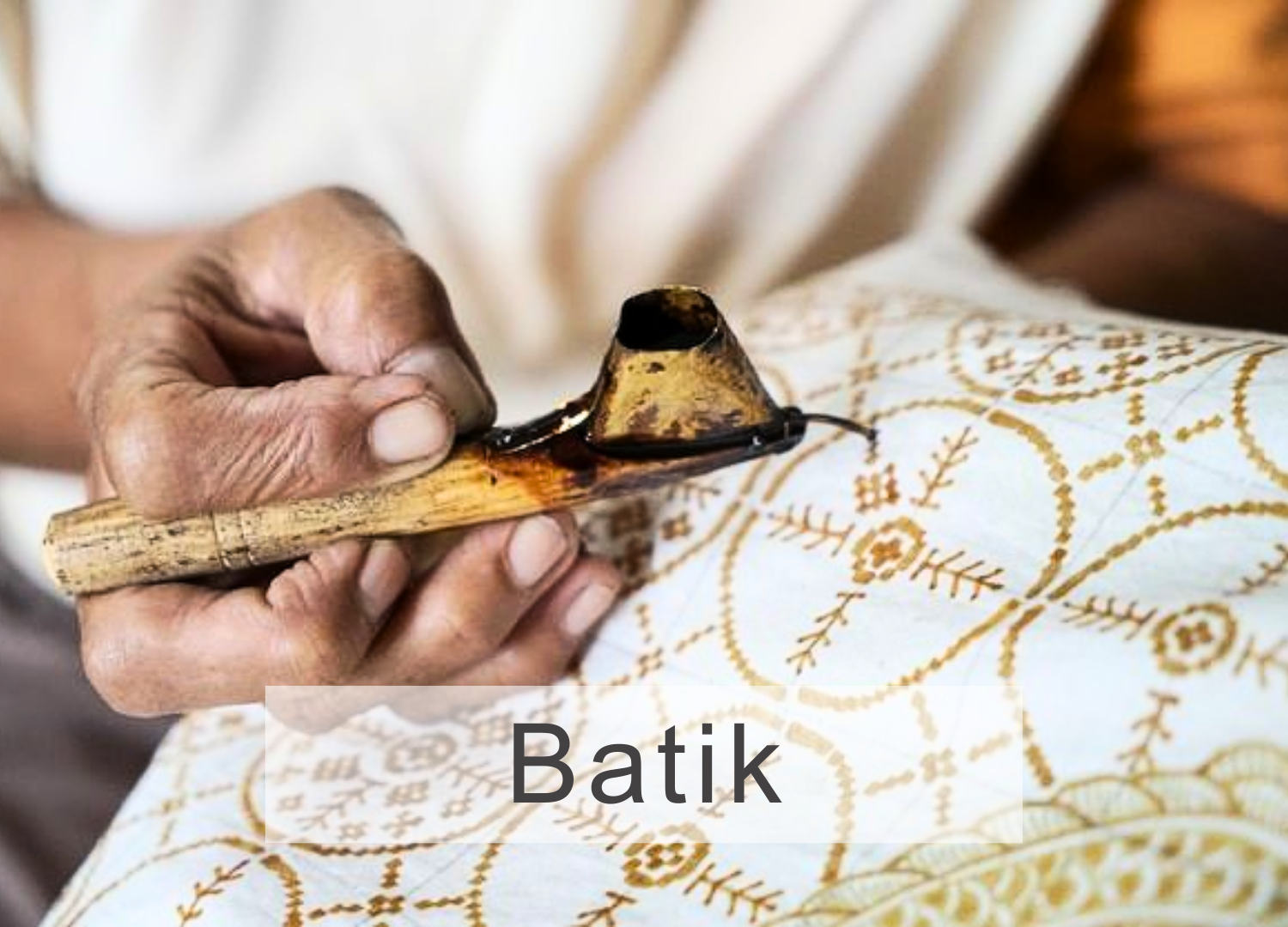
Batik is a traditional textile art created using a wax-resist dyeing technique, where melted wax is applied to fabric to form patterns before dyeing. This process allows intricate motifs to emerge through multiple layers of color and detail.
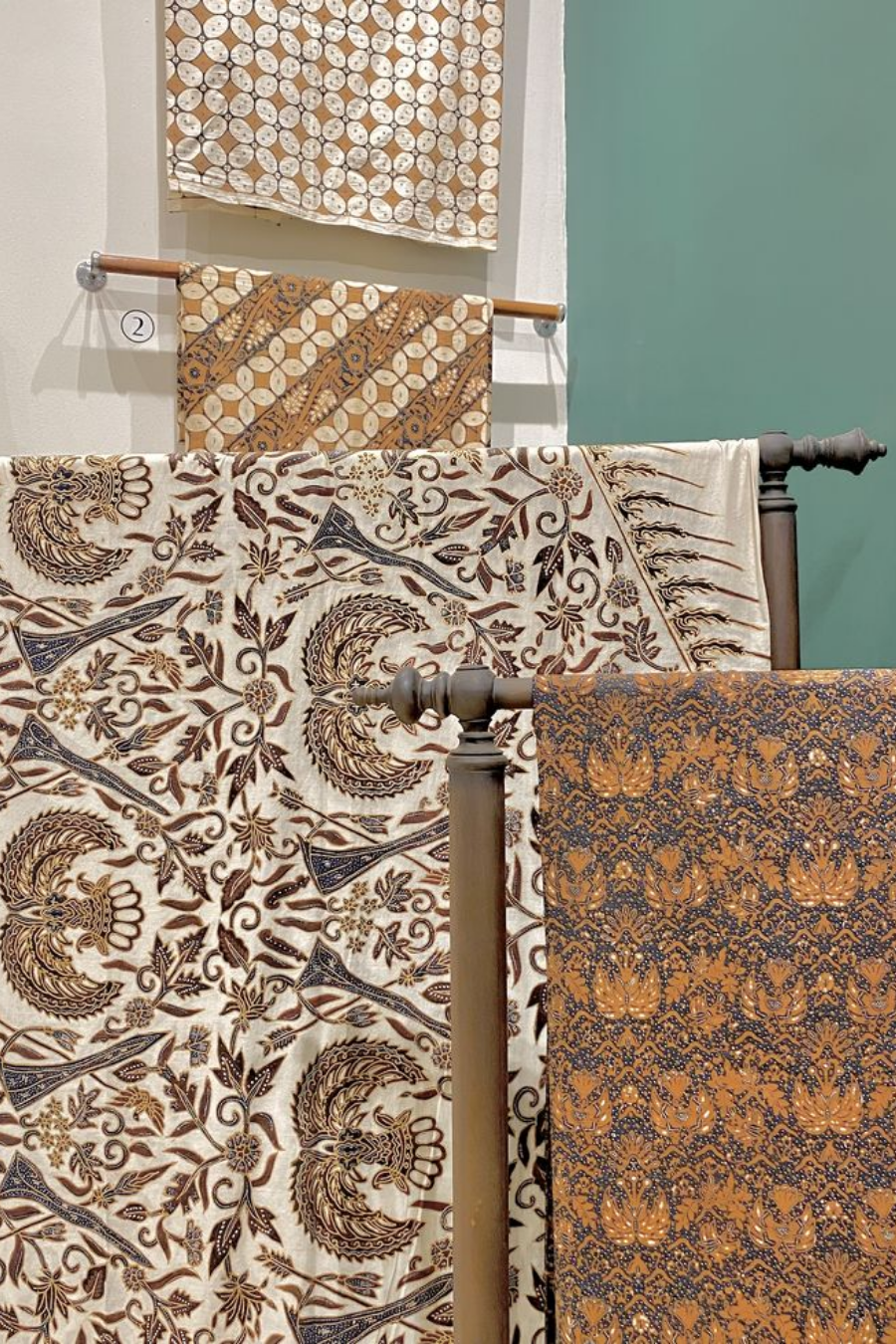
More than decorative fabric, batik represents cultural identity, philosophy, and craftsmanship passed down through generations. Each motif tells a story, reflecting values, heritage, and local traditions.
Today, batik has evolved beyond tradition into a contemporary expression—embraced in fashion, lifestyle, and modern design. While its form continues to innovate, batik remains deeply rooted in its artisanal process and cultural significance.
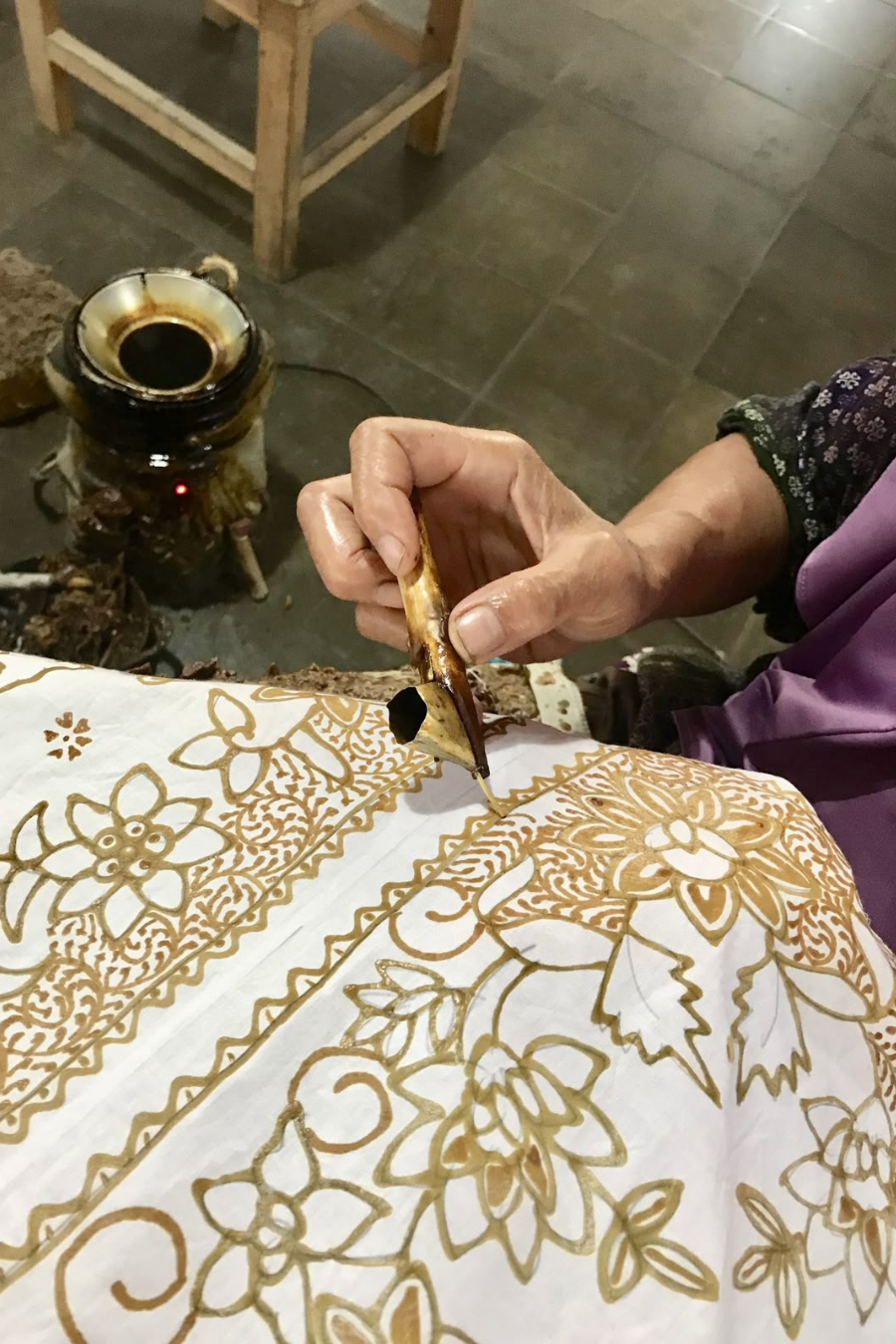
The Origin of Batik
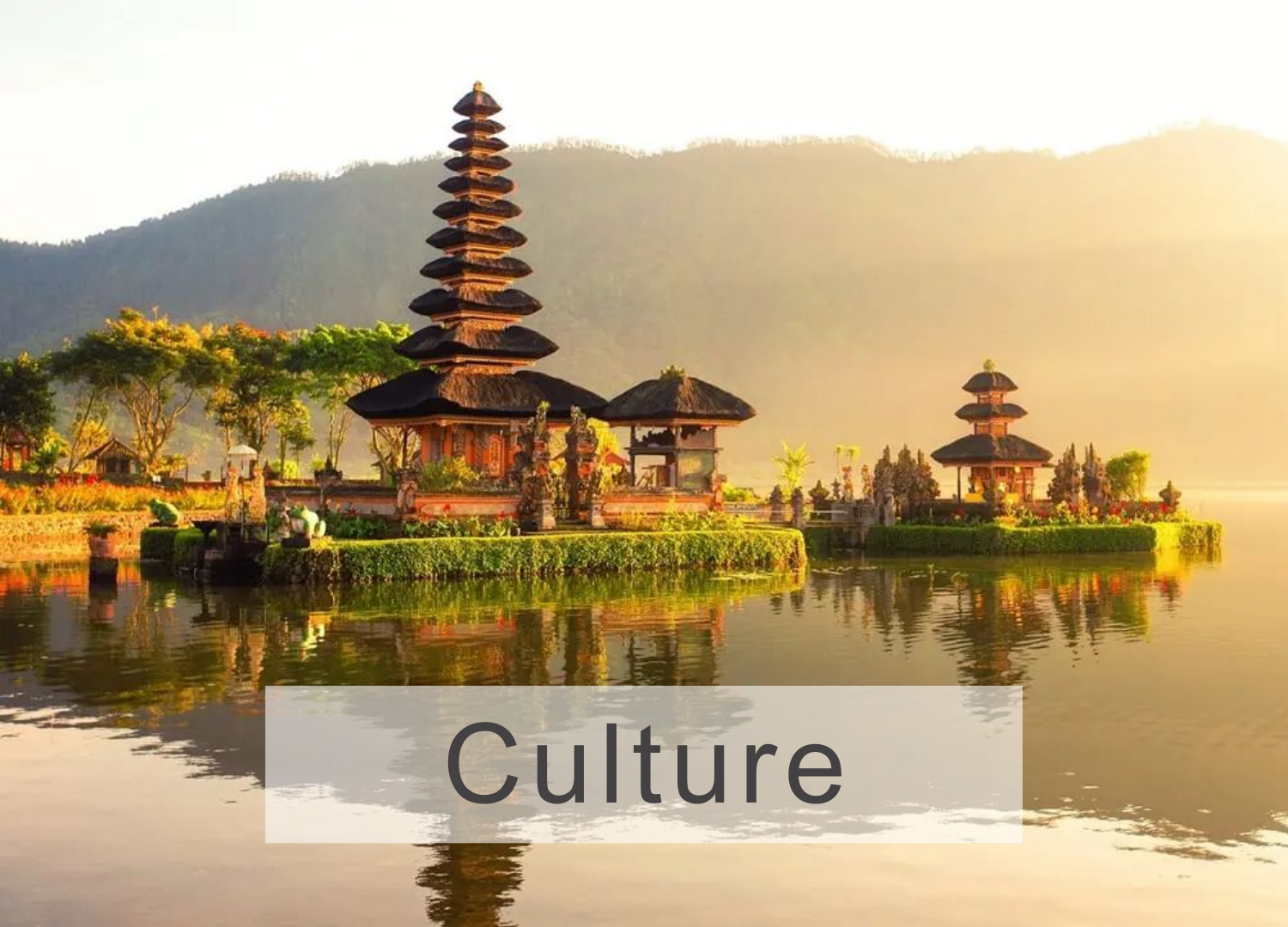
The origins of batik can be traced back centuries in Indonesia, particularly on the island of Java.
Historically, batik was closely associated with royal courts and cultural traditions.
In the past, batik played an important role within royal courts, where specific motifs symbolized social status, philosophical values, and spiritual beliefs. Patterns were carefully selected to mark important life events, ceremonies, and social roles.
Over time, batik spread beyond palace walls into wider communities, evolving through regional influences and cultural exchanges across the archipelago. Today, Indonesian batik is recognized globally and was officially acknowledged by UNESCO as an Intangible Cultural Heritage of Humanity—highlighting its enduring cultural significance.
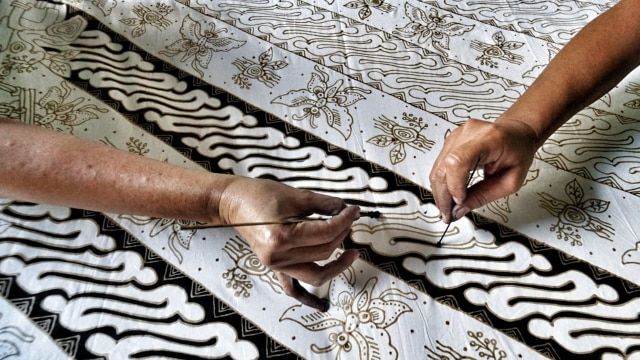
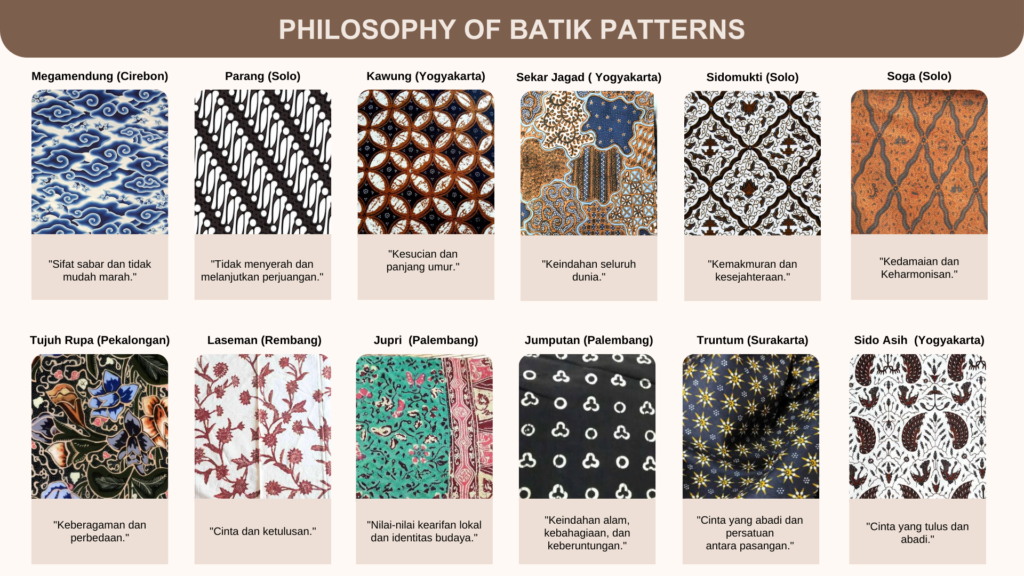
Philosophy of Batik Patterns
Explore the philosophy behind IndoneExplore the philosophy behind Indonesian batik patterns and discover the meanings woven into every design.sian batik patterns and discover the meanings woven into every design.
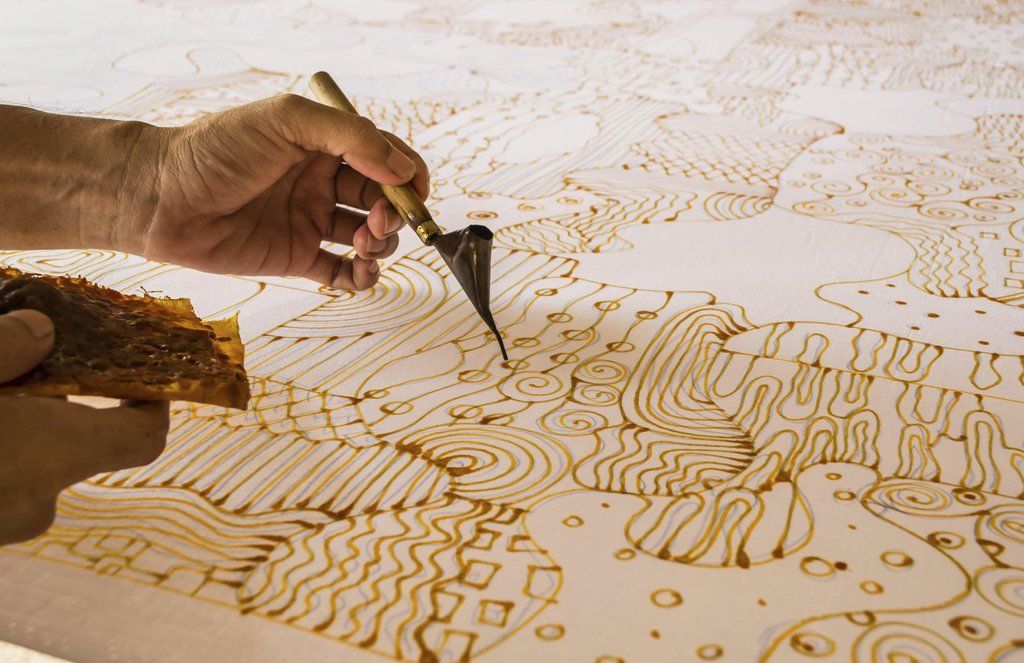
Batik Making Techniques
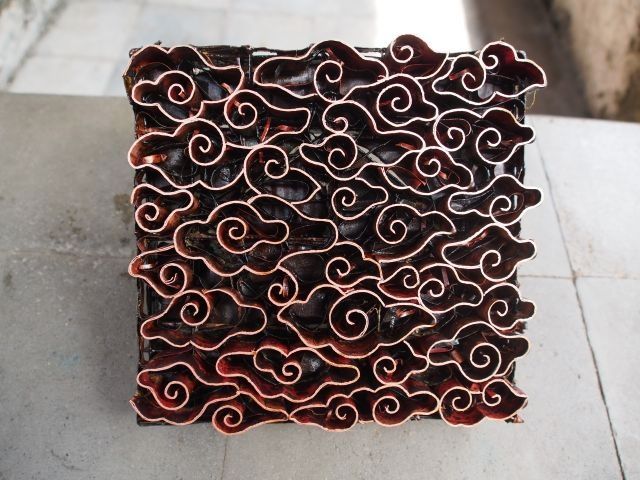
Discover the traditional techniques used in creating Indonesian batik, from hand-drawn to stamped methods. Click to explore the process behind each technique.